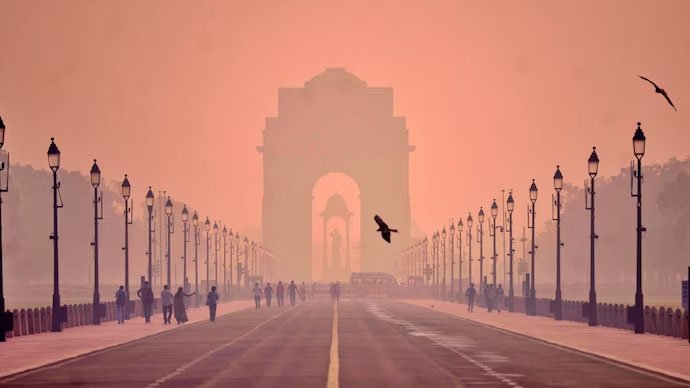
Delhi woke up to a hazy morning on Thursday, November 2, as a thin layer of smog enveloped the city. The Air Quality Index (AQI) reached 278, classifying it in the ‘poor’ category. According to the Air Quality Early Warning System, residents should brace for worsening pollution levels likely to slide into the ‘very poor’ category between November 6 and 8.
The Central Pollution Control Board (CPCB) reported that Delhi’s AQI remained elevated at 278 this morning. Experts warn the situation may deteriorate further by evening. This decline results from low wind speeds and increased accumulation of pollutants.
The Early Warning System forecast suggests gradual improvement in wind speed, potentially reaching 15 kmph from the northwest. However, conditions may shift by evening as winds drop below 10 kmph. Residents can expect the sky to mostly clear throughout the day, though mist and haze are likely to linger.
According to CPCB classifications, an AQI ranging from 0 to 50 is considered good, 51 to 100 satisfactory, 101 to 200 moderate, 201 to 300 poor, 301 to 400 very poor, and 401 to 500 severe. With an AQI currently at 278, authorities emphasize the need for precautionary measures.
Delhites also faced a lower-than-normal temperature, settling at 12.7 degrees Celsius—2.6 degrees below the seasonal average. Humidity levels were recorded at 75 percent at 8:30 am, contributing to the discomfort. The maximum temperature is expected to hover around 29 degrees Celsius today, with weather officials indicating persistent mist and haze.
As air quality continues to remain concerning across the city, health officials urge residents to limit outdoor activities, particularly during early morning and late evening hours. The public health watchdogs emphasize the importance of staying indoors to minimize exposure to harmful pollutants.
Authorities are monitoring the air quality closely and will issue further warnings as necessary. Delhi’s annual struggle with poor air quality underscores the need for robust pollution management policies and public awareness campaigns aimed at protecting citizen health.