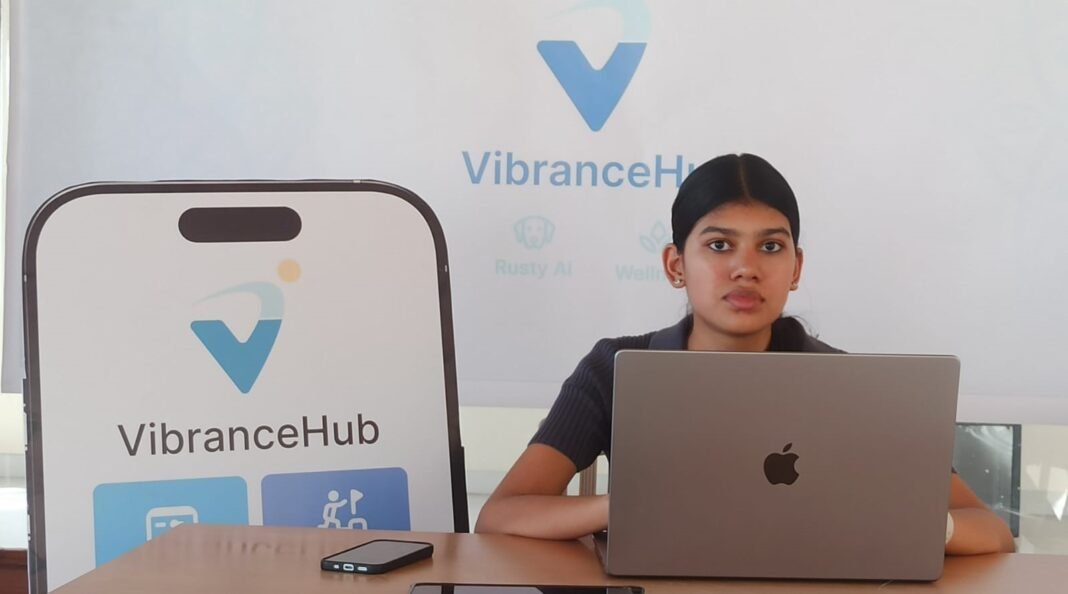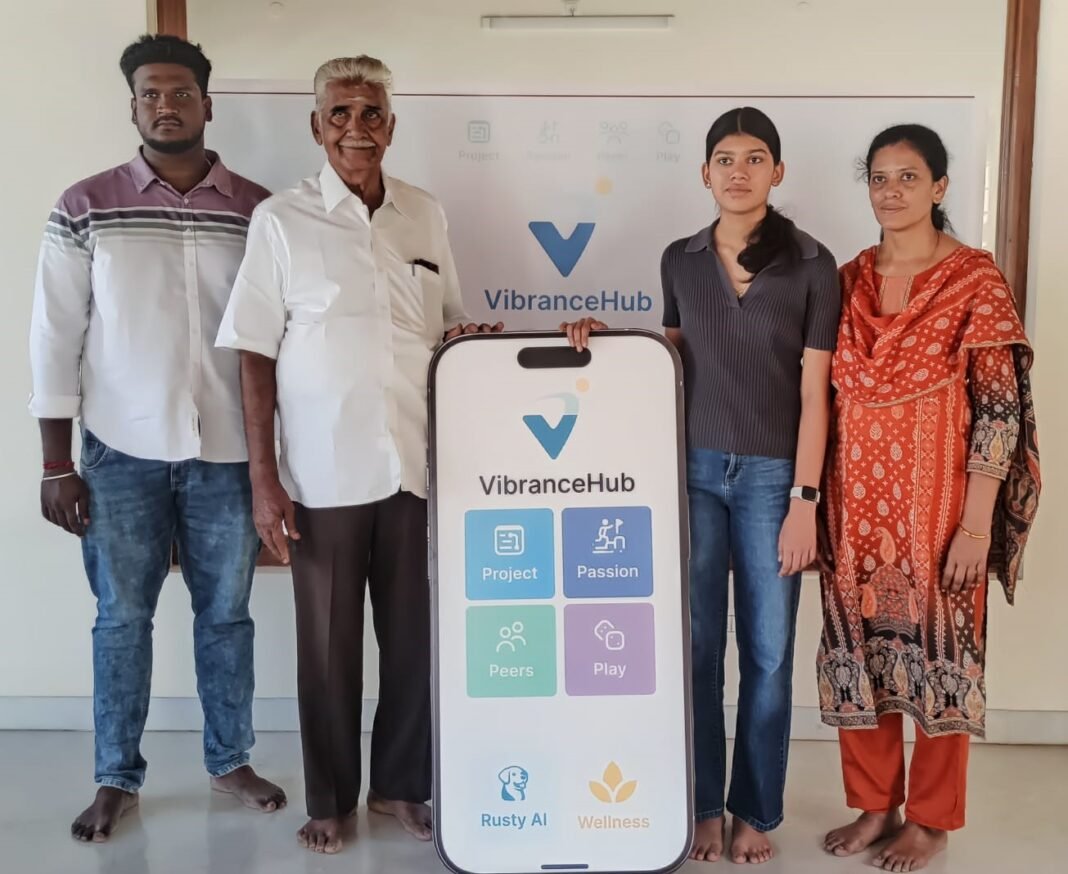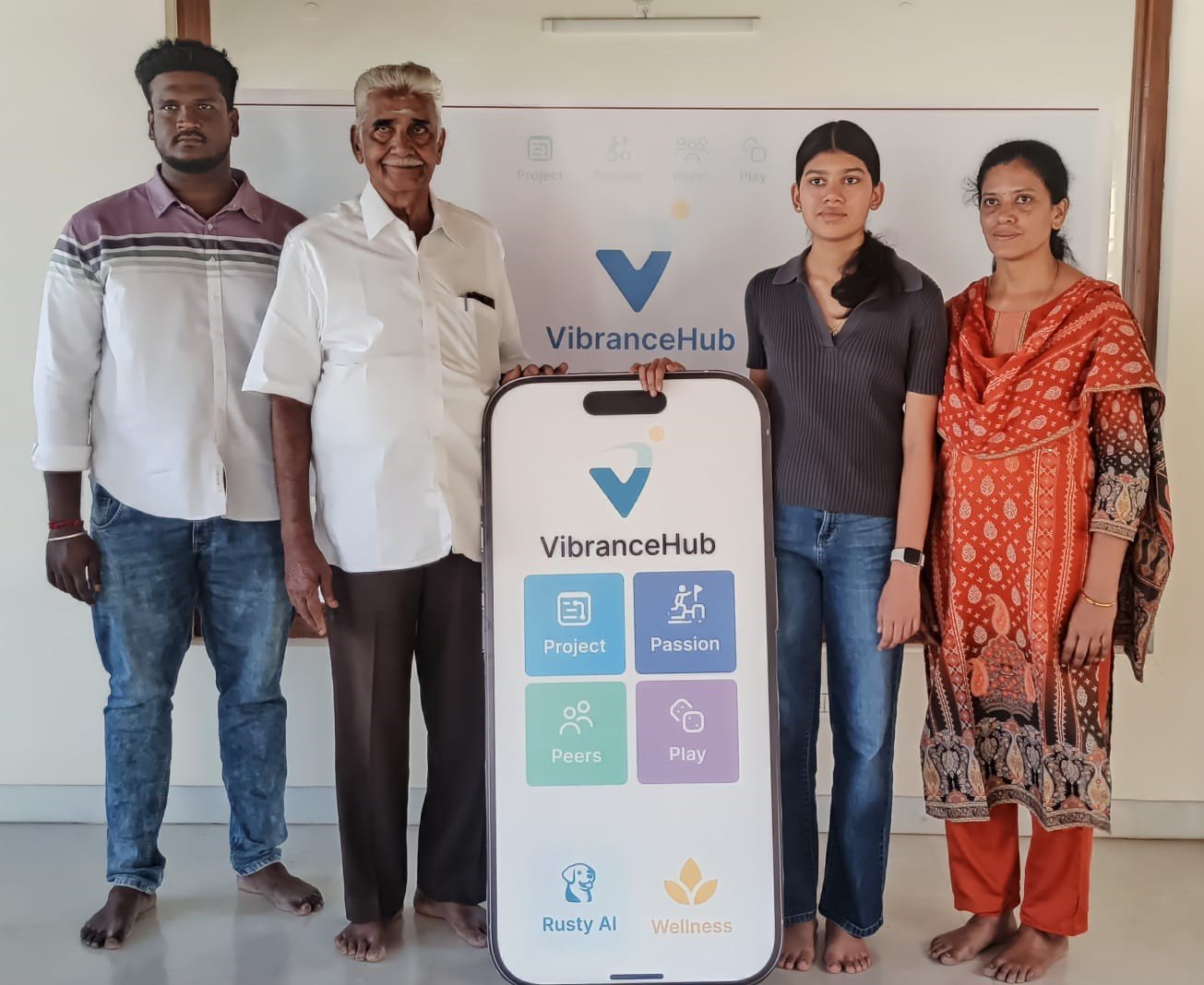
COIMBATORE — Rithanya Sivaram, a Class 12 student at The Indian Public School, has launched Vibrance Hub, a platform designed to integrate project-based learning with wellbeing support. The initiative aims to bridge significant gaps in India’s educational system as students prepare for a future dominated by AI, where creativity and sustained innovation outweigh traditional rote learning.
“In the age of AI, information is commoditized. What matters now is what you can make, how you think, and whether you can sustain creative work over time,” states Sivaram. She emphasizes that the ATAL Tinkering Labs provide essential tools for student experimentation, and Vibrance Hub offers the scaffolding, community, and well-being practices required to transform interests into tangible outputs.
Vibrance Hub draws inspiration from MIT’s Lifelong Kindergarten framework—comprising Passion, Projects, Peers, and Play. This initiative redefines maker education by focusing on essential skills such as computational thinking, resilience through iteration, and collaboration. These skills are crucial, transcending what AI can replicate.
In today’s education landscape, children often approach problems with fearless experimentation. However, prolonged exposure to standardized testing nurtures a culture of caution and self-criticism, often undermining their natural creativity. Many students develop the notion that they are “not creative people” due to the pressures of perfectionism and practicality.
The launch of Vibrance Hub symbolizes a revitalization of India’s substantive educational roots. Prior to the impact of Macaulay’s 1835 Minute on Education—which institutionalized rote learning—India nourished a gurukul tradition focusing on learning through active engagement. Students engaged directly in metallurgy through forging, astronomy via observation, and medicine through practice.
The National Education Policy (NEP) 2020 firmly advocates the revival of this maker-centric approach, asserting that India’s future hinges on creative thinkers and innovators, rather than mere information repeaters.
Moreover, the Atal Innovation Mission (AIM), initiated by NITI Aayog in 2016, represents a relentless pursuit of implementing the maker-centric philosophy throughout the nation. It echoes the principles laid out in the NEP 2020, which emphasizes the necessity of fostering creativity and innovation through robust hands-on learning infrastructure.