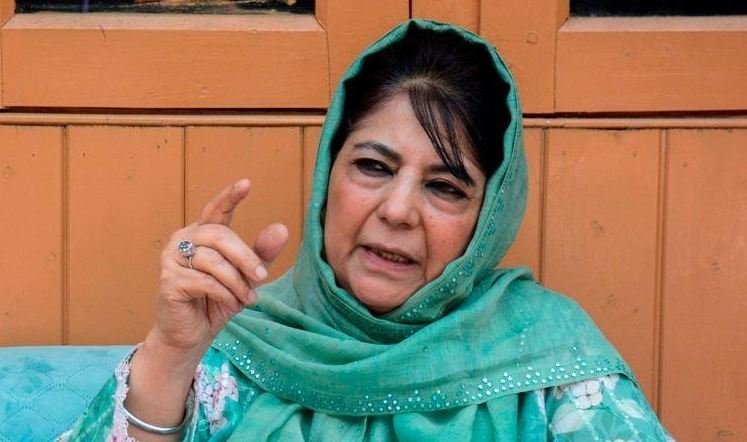
Peoples Democratic Party (PDP) chief Mehbooba Mufti reacted strongly to Prime Minister Narendra Modi’s recent video on X, addressing youth engagement in India. She emphasized two distinct realities for Generation Z in the country—one adorned with inherited opportunities and the other, specifically in Kashmir, burdened with ‘inherited curfews and trauma’.
Mufti’s remarks directly responded to PM Modi’s message about forgiving students who protested against him, using profanity at the Jantar Mantar protest. She clarified that the youth in Kashmir seek more than mere sympathy or charity, highlighting their need for equal opportunity and dignity.
“Hon’ble PM @narendramodi, there are two Gen Zs in India. One inherited opportunity; the other, in Kashmir, inherited curfews, crackdowns, internet shutdowns, lost classrooms, unemployment and trauma,” she stated in her post. Her words echoed a deeper call for understanding the plight of Kashmiri youth who face systemic challenges.
Mufti further insisted that Kashmiri youth desire something much more profound than sympathy; they seek respect, political representation, and the freedom to aspire without fear. She underlined that compassion should encompass the aspirations of all Indian youth, especially those living under harsh conditions.
“If compassion is to define India’s future, let it begin with Kashmir,” she added, urging the Prime Minister to recognize and address the disparities affecting a significant portion of young people in the region.
Statistics highlight the stark reality: Reports indicate that unemployment rates in Kashmir soar above national averages, with youth feeling disenfranchised and desperate for change. This situation creates a ticking time bomb of frustration among the region’s young population.
Experts believe that bridging the gap between the two Generation Zs in India is critical for national unity and progress. Alok Ranjan, a sociopolitical analyst, stated, “Creating equal opportunities for youth in Kashmir is essential. It is not just about providing jobs; it’s about restoring their faith in the system.”
The conversation surrounding youth in Kashmir often contrasts sharply with discussions on youth engagement in urban metropolitan areas. Many argue that policymaking should account for regional disparities and foster an inclusive environment for all youths, regardless of their geographic location.
With increasing attention on youth involvement in politics and social movements across India, the need to recognize and uplift the voices from Kashmir has never been more pressing. As debates rage on social media and within political circles, the call from leaders like Mufti illustrates the urgent necessity for thoughtful dialogue surrounding youth engagement.
The response from PM Modi to this criticism remains awaited, as the government grapples with the prevailing socio-political challenges that impact the young demographic across different states.