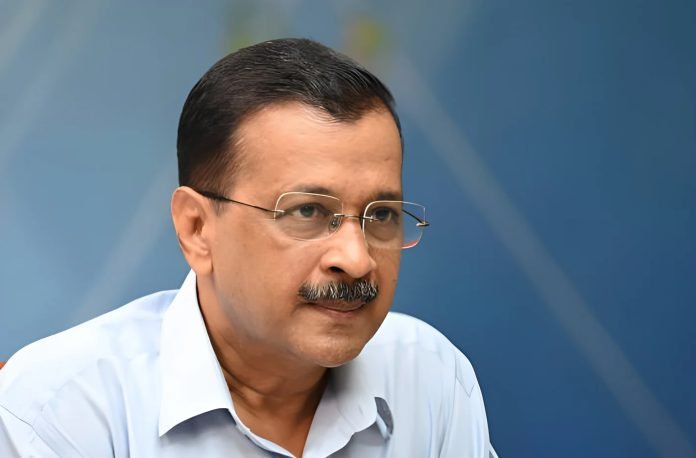
The Delhi High Court issued a fresh notice to AAP chief Arvind Kejriwal on Wednesday regarding the Enforcement Directorate’s (ED) plea against his acquittal in two cases. The ED challenges Kejriwal’s legal outcome after he failed to appear before the agency concerning summonses linked to the excise policy investigation.
Justice Swarana Kanta Sharma addressed the situation where the registry noted that the earlier notice had not reached the former chief minister. The ED’s counsel pointed out that a notice was dispatched on April 1, but no representation occurred on behalf of Kejriwal.
“Registry reports that (he is) not served. I will issue fresh notice. Respondent has not been served,” the judge declared, setting the next hearing for July 22.
The cases arise from the ED’s complaint that Kejriwal intentionally disobeyed the summonses issued during the investigation. The agency argued that he raised frivolous objections and created barriers to avoid joining the probe.
In the earlier court session, the ED’s counsel stated that the trial court had “committed a grave error” in acquitting Kejriwal despite the obvious fact that summons were issued and received without his appearance. The trial court decreed on January 22 that the ED failed to establish that Kejriwal intentionally avoided the summonses.
Key to the trial court’s decision was the assertion that “neither the service of summons through emails has been proved by the ED nor the procedural issuing of summons under Section 50(2) of the Prevention of Money Laundering Act (PMLA) via email has been proven legally sound.” The ED’s allegations extend to claims that Kejriwal coordinated with other accused individuals for a scrapped excise policy that promised undue benefits and kickbacks to the Aam Aadmi Party.
Currently, Kejriwal is on interim bail in this money laundering case, with the Supreme Court forwarding questions about the necessity of arrest under the PMLA to a larger bench for comprehensive review.
On February 27, the trial court discharged Kejriwal along with former Deputy CM Manish Sisodia and 21 others concerning the liquor policy case. The ruling emphasized that the CBI’s case lacked substantial merit and could not withstand judicial examination.
The CBI has filed a plea against this discharge, which is still pending in the high court. As the legal battle unfolds, it adds another layer to the ongoing scrutiny of political figures entangled in case complexities around the Delhi excise policy.