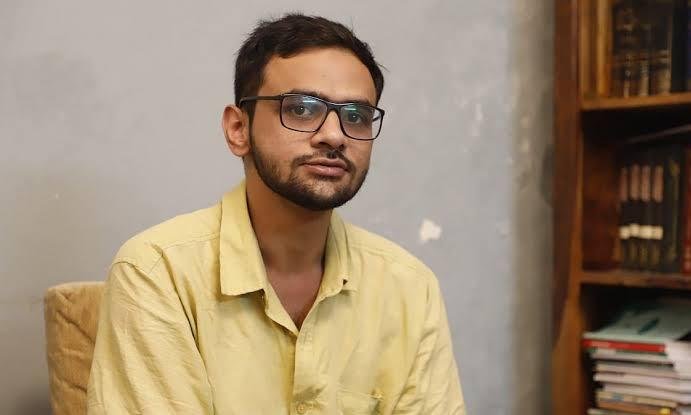
The Delhi High Court on Friday sought the stand of the city police on a plea from activist Umar Khalid, who seeks bail under the Unlawful Activities (Prevention) Act (UAPA) related to the “larger conspiracy” behind the February 2020 riots in North-East Delhi.
The bench, comprising Justices Prathiba M Singh and Vikas Mahajan, issued a notice to Delhi Police, directing them to file a response within two weeks. This legal development marks yet another chapter in a case that has drawn significant public attention.
Khalid’s counsel highlighted that this marks his third bail application since his arrest in September 2020, reiterating the need for interim relief in the ongoing proceedings.
The bench also set a hearing date for August 27, coinciding with the bail plea of co-accused Sharjeel Imam. This joint hearing could bring critical insights into the court’s stance on both cases.
Khalid has previously challenged the trial court’s ruling from July 4, which denied his bail application. The trial judge emphasized the need to adhere to the Supreme Court’s January 5 order regarding the case.
Additional Solicitor General S V Raju, representing Delhi Police, noted that Imam’s bail plea also faced rejection by the same trial court order. The bench may consider consolidating both cases for an efficient judicial process.
Umar Khalid faces grave allegations, including being one of the masterminds behind the February 2020 riots that resulted in the tragic loss of 53 lives and left over 700 individuals injured. Following protests against the Citizenship (Amendment) Act (CAA), 2019, and the proposed National Register of Citizens (NRC), violence erupted, leading to nationwide scrutiny.
Alongside Khalid, activists Sharjeel Imam, Khalid Saifi, and former AAP councillor Tahir Hussain have been implicated in what authorities describe as a “larger conspiracy.” This ongoing investigation is conducted by the Special Cell of Delhi Police.
On July 4, the trial court, while rejecting Khalid’s bail, stated it had “no option but to follow” the Orders of the Supreme Court. It asserted that it could not grant any relief at this stage of proceedings.
On September 2, 2025, a high court division bench echoed a similar sentiment, denying bail based on their observations of a prima facie case against Khalid and Imam under the UAPA. The high court ruled that the accused in this serious case could not be treated equally, emphasizing a clear “hierarchy of participation” that exists in such substantial allegations.
This legal development not only underscores the complexities surrounding UAPA cases but also reflects the ongoing tensions related to civil rights and activism in India. As legal experts and activists closely monitor the case, it remains a focal point in discussions about the balance between national security and civil liberties.