The Central Bureau of Investigation (CBI) has revealed that the NEET-UG 2026 paper leak was not a haphazard occurrence but a months-long conspiracy. The intricate plot involved appointed subject experts from the National Testing Agency (NTA) and an extensive network of coaching centers, brokers, and aspiring candidates.
According to the CBI’s extensive chargesheet, the leaked examination material traversed various intermediaries before reaching the aspirants willing to pay for early access. Investigators employed WhatsApp and Telegram exchanges, alongside evidence from photographs, call records, and forensic data extraction from seized devices, to unravel this sophisticated scheme.
Three experts appointed by the NTA, among them Shivraj Motegaonkar from Renukai Career Centre, Tejas Harshadkumar Shah of Dr Abhang Prabhu Medical Academy in Pune, and Dr Manoj Bhagwanrao Shirure of Siddhivinayak Hospital, stand accused of misusing their access to confidential exam materials to facilitate this leak.
The CBI revealed that the breach expanded beyond isolated cases of leaks from an individual to candidates. Instead, it formed a complex chain where confidential questions flowed from subject experts to various private operators, eventually reaching numerous brokers before landing in the hands of eager candidates.
One of the pivotal aspects of the CBI’s investigation came from data recovered from personal mobile devices. A forensic examination of the phone belonging to accused Yash Yadav allegedly uncovered PDF files containing the leaked NEET-UG 2026 questions. Additionally, investigators traced Telegram communications linked to a contact stored under the name “AP Broker,” later identified as co-accused Shubham Madhukar Khairnar.
Crucially, this material exchanged hands prior to the examination date, raising significant concerns about the integrity of the NEET-UG process. Another device, linked to accused Manisha Sanjay Waghmare, allegedly contained details from an active WhatsApp group titled “NEET 2026,” further highlighting the technological avenues leveraged by the accused.
The CBI has utilized this digital evidence, alongside testimonies from witnesses, to recreate the movement of examination materials throughout the network. Devices belonging to other accused individuals revealed additional chats, photographs, and electronic files that reinforced the findings, all implicating those involved in orchestrating this extensive leak.
Through meticulous investigative work, the agency identified key links in this distribution chain, naming individuals like Manisha Sanjay Waghmare, Dhananjay Lokhande, Shubham Madhukar Khairnar, and Yash Yadav as pivotal players in transferring leaked questions from privileged possessors to unsuspecting candidates.
This orchestrated scheme, involving multiple layers of brokers and experts, created a pathway for stealing examination questions. The CBI’s use of electronic evidence allowed them to penetrate the facades these accused maintained, illustrating a well-planned conspiracy that could jeopardize the credibility of not only NEET-UG 2026 but future examinations as well.
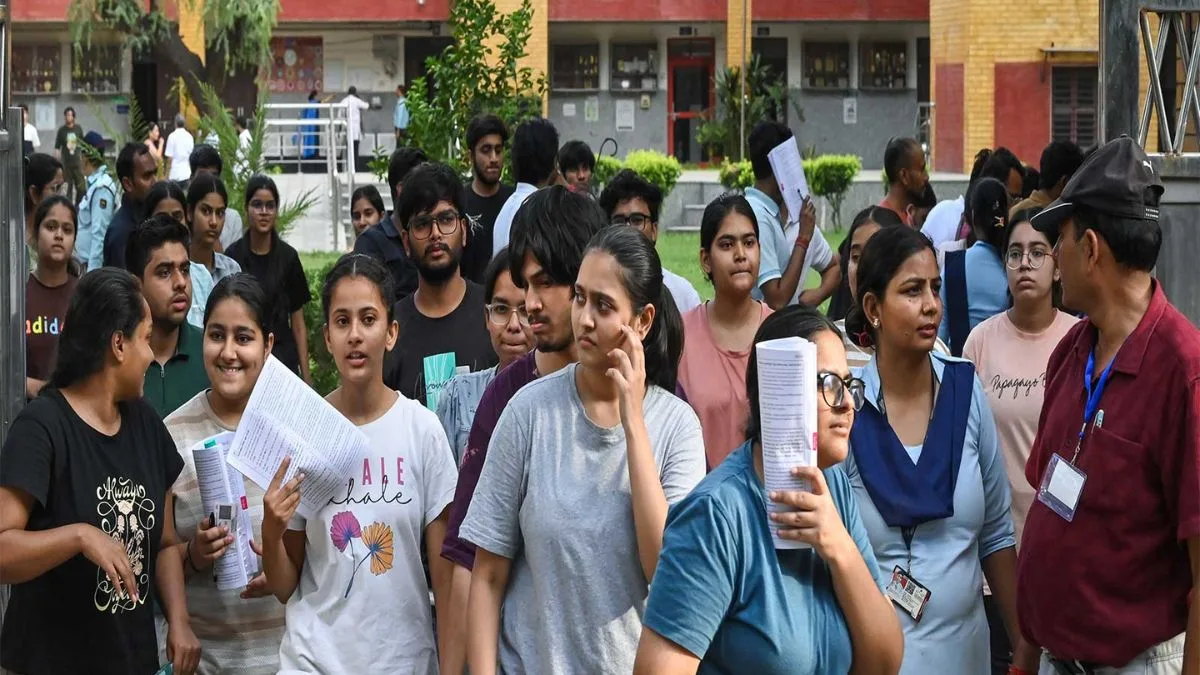
The ramifications of this leak extend beyond the implicated individuals and raise serious ethical questions. Students across India rely on NEET-UG for medical admissions, placing trust in a system designed to promote fairness and transparency.