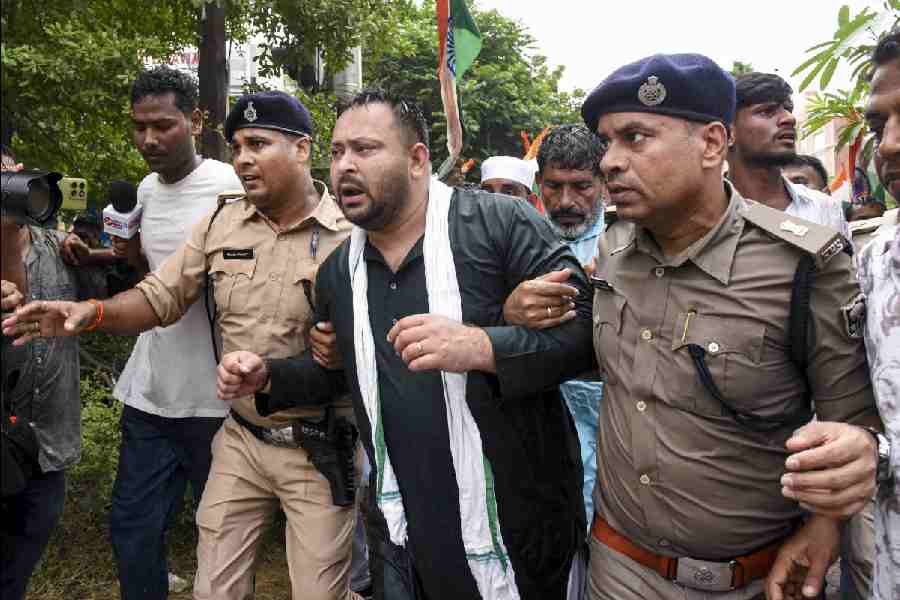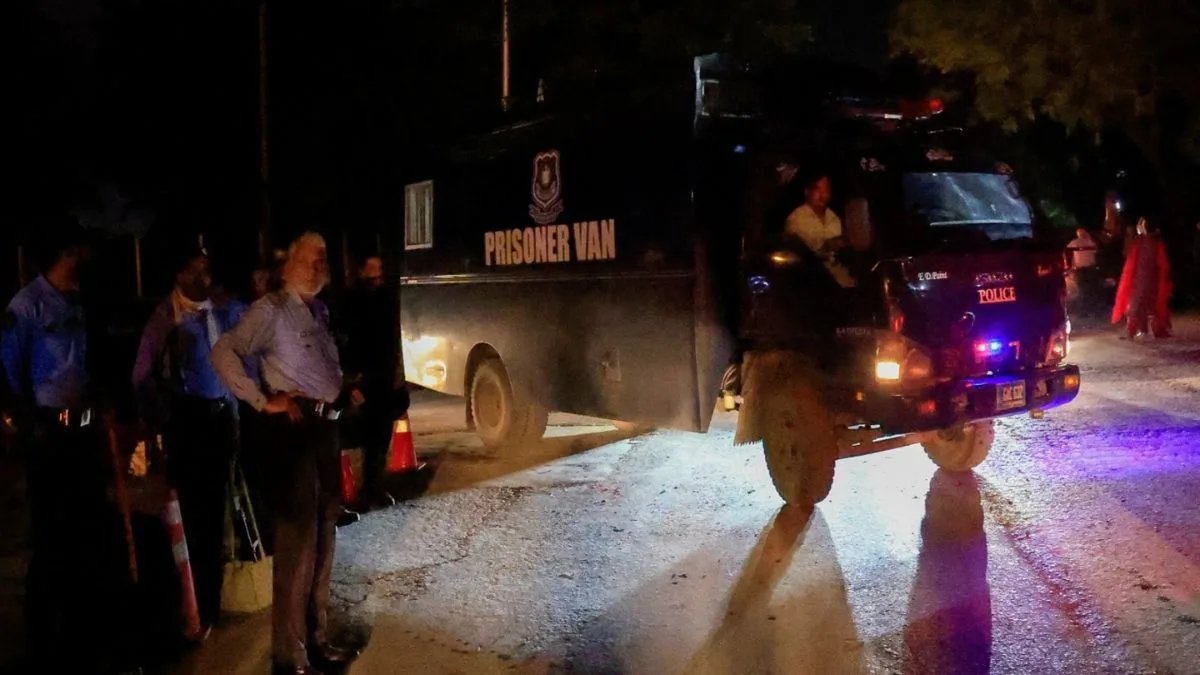
Former Pakistan Prime Minister Imran Khan returned to Adiala Jail early Friday after a court-ordered medical check-up at Shifa International Hospital amid extensive security arrangements in Islamabad. The government fulfilled a directive from the Supreme Court to conduct a thorough health evaluation following serious concerns regarding Khan’s health during his incarceration.
Joint teams comprising law enforcement and jail officials ensured Khan’s safe transportation between the hospital and the jail. Authorities executed this high-security operation in a manner reminiscent of the robust arrangements seen during the Panamagate judicial proceedings involving former Prime Minister Nawaz Sharif.
The Supreme Court had instructed the government to facilitate Khan’s movement to Shifa International within two days for necessary medical assessments. The evaluation stemmed from alarming health reports, highlighting issues such as fluctuating blood pressure. Following his evaluation, which included vital check-ups and clinical tests, Khan was promptly returned to Adiala Jail.
Khan has remained in custody since his conviction earlier this year, where he serves a 14-year prison sentence amid ongoing political turbulence in Pakistan. His imprisonment signifies a chilling chapter for PTI and has raised alarms regarding the treatment of political leaders in the country.
Health concerns for Khan, reported in recent prison medical filings, include not just blood pressure irregularities but also other associated symptoms, provoking significant debate among his supporters and political analysts. Many worry about the conditions of high-profile prisoners while some criticize the government’s handling of opposition leaders.
The situation surrounding Khan’s return to jail echoes the tensions present in Pakistan’s political landscape as the country heads towards an uncertain future. Supporters and political observers alike closely monitor turmoil and health challenges faced by influential figures like Khan.
The former prime minister’s medical trip not only exemplifies his precarious health situation but also sheds light on the broader implications of political polarisation in Pakistan. As public scrutiny intensifies, Khan’s situation may catalyse further discussions about political accountability and justice.