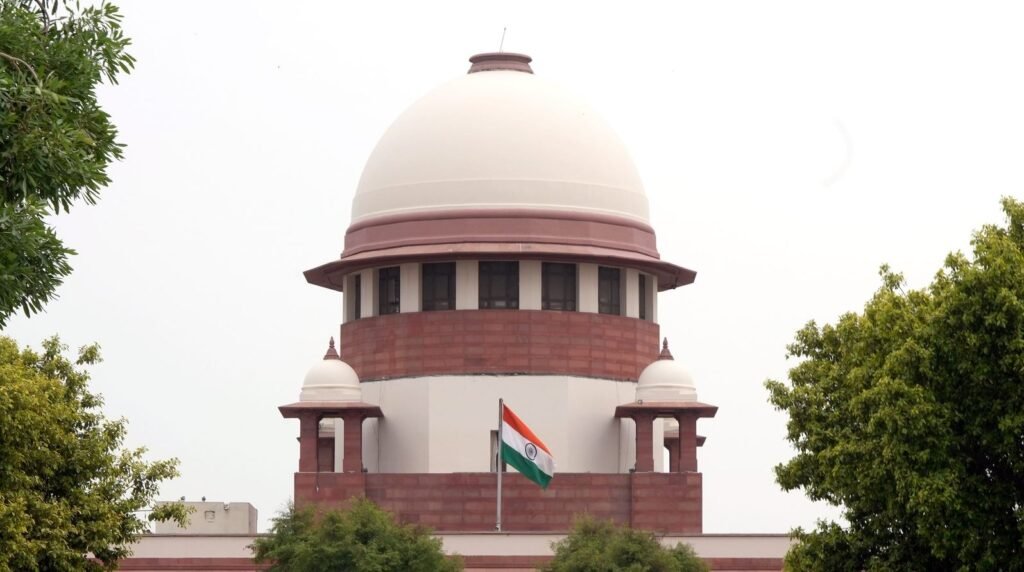
The Supreme Court of India adjourned the hearing on pleas regarding the survey of the Sambhal Jama Masjid to August 18, 2025. This decision came on Tuesday when the committee of management for the mosque challenged the Allahabad High Court‘s earlier order that favored a survey linked to the Shahi Jama Masjid and the Harihar temple dispute.
A bench led by Justices P S Narasimha and Alok Aradhe decided to defer the matter following a letter requesting an adjournment. This case raises significant legal and historical questions surrounding religious sites in India.
During the proceedings, the bench considered two separate pleas concerning a May 19, 2025, order from the Allahabad High Court. It was argued that the High Court overstepped its bounds by addressing the survey, given a December 2024 injunction from the Supreme Court.
The earlier Supreme Court order, issued on December 12, 2024, restrains all courts in India from entertaining fresh lawsuits or issuing interim or final orders regarding the reclamation of religious sites, specifically mosques and dargahs, until further notice. This decision emerged amidst ongoing challenges to provisions of the Places of Worship Act, 1991.
The Places of Worship Act prohibits any changes to the religious character of places of worship as they stood on August 15, 1947, effectively safeguarding the status of various sites across India, including the sensitive matter of the Ram Janmabhoomi-Babri Masjid case, which remains outside its purview.
The Allahabad High Court had previously dismissed the mosque committee’s plea against a survey ordered by a lower Sambhal court, affirming the civil court’s decisions regarding the survey’s legality.
The mosque committee previously contested a November 19, 2024, ruling from the civil judge that mandated the mosque’s survey, which occurred on the same day. They asserted that a second survey conducted on November 24 had no legal basis, as there was no prior judicial directive for such a measure.
On August 22 of the prior year, the Supreme Court had agreed to hear an appeal from the mosque committee against the High Court’s decision. The apex court ordered all parties involved to maintain the current status quo.
The legal conflict stems from claims that the Sambhal Mosque, constructed by Mughal emperor Babur in 1526, replaced an existing temple. Disputes like this highlight enduring tensions within India’s religious and historical landscape.
In November 2024, the Supreme Court intervened by ordering a halt to the Sambhal court’s proceedings regarding the mosque and mandated the Uttar Pradesh government to ensure peace and harmony in the town amid these contentious legal battles.